There is a moment, ordinarily early in a cooking life, when a wok stops being a novelty and turns into the pan you attain for with no thinking. It takes place the 1st time you style a true smoky kiss of wok hei on a tangle of chives and egg, or when velvety mapo tofu slips throughout the bowl as though it dressed itself. Choosing the exact wok length and shape determines how without problems it is easy to get to that moment, and how characteristically you’ll repeat it. The incorrect wok turns stir‑fry into stewed greens. The correct wok feels inevitable for your hand.
Size and bottom structure are usually not abstract specifications. They dictate warmth consciousness, toss clearance, oil depth, and even what you dare to cook dinner on a Tuesday evening. I’ve cooked on eating place jet burners and sedate glass‑higher degrees. I’ve traveled with a 12‑inch carbon metallic wok tucked right into a suitcase, polished the patina of a 14‑inch round backside in a tiny condominium kitchen, and taught peers to give up crowding their pans. The as a result of line is easy: ask what you prepare dinner, what number you serve, and in which your heat comes from. From there, the scale and base form practically choose themselves.
What “size” means for those who dialogue about woks
Wok dimension is measured throughout the rim, no longer the bottom. A 14‑inch wok approach the space from one lip to the alternative is 14 inches. Depth varies subtly with the aid of logo and genre, but such a lot basic woks have a delicate slope that rises from a good base to a extensive rim. The size things simply because rim diameter governs capability and tossing clearance, while the curvature dictates warm publicity and how delicacies slides between zones.
Two woks can share a rim diameter yet behave otherwise. A lighter gauge 14‑inch wok can be sprung and responsive, best for rapid tosses on a domicile burner. A heavier 14‑inch with a deep belly holds warmth higher for full-size batches, however necessities greater formidable flame. Weight modifications how optimistically you possibly can wrist‑flip nutrients, and the tackle layout matters as neatly. A Cantonese‑trend wok has two loop handles, amazing for oven finishes and table carrier. A Northern‑fashion wok has a single lengthy address and a helper ear, gold standard for agile tossing.
Heat source units the boundaries
A wok without ample warmness is a physical games vehicle idling in traffic. You can nonetheless get dinner on the table, yet you gained’t believe the equipment. Heat resource is the first clear out for both length and bottom structure.
Gas burners, even in overall homestead tiers at nine,000 to fifteen,000 BTU, come up with a visual flame which could lick the sides. Stronger residential burners hit 18,000 to 22,000 BTU. A wok ring on a gasoline stove can stabilize a around bottom and pay attention the flame, however it additionally lifts the wok further from the jet. That distance fees warmth until the hoop is designed to cradle the wok low and close to the flame crown. Dedicated wok burners, those that roar on patios and eating place lines, create a cone of warmth that climbs the partitions. They make higher circular‑bottom woks come alive.
Electric coil, radiant glass‑properly, and induction play with the aid of alternative law. Electric coils warmness in which they touch. A around backside barely touches, because of this slow heat switch. A flat bottom shines the following since it deals large contact and keeps the wok strong. Induction is swifter and greater efficient, but simplest in which the magnetic subject can couple. Again, extra flat surface equals larger calories beginning. There are concave induction units designed for woks, but they may be niche and rare in domestic kitchens. For most home chefs on non‑fuel, a flat‑bottom wok is nonnegotiable.
The candy spots by way of spouse and children size
People love a unmarried resolution, however woks resist absolutism. You stability stir‑fry physics along with your dinner actuality. The function is headroom, not mere means. A conventional stir‑fry wants respiration area so steam can escape and meals can tour up the perimeters to relax out of the new region at the same time as other foods sear.
For a one‑man or women spouse and children, a 12‑inch flat‑bottom wok is deeply life like. It sits nicely on any cooktop, heats directly, and holds enough for a beneficiant plate with no sprawling. If you usually prepare dinner greens and quick proteins for yourself, you hardly pass over the more diameter. I like a 12‑inch after I choose precision, like scrambling egg ribbons around pea shoots or blistering a single serving of efficient beans with fermented black beans.
Couples and small families are best possible served by means of thirteen to fourteen inches. Fourteen inches is the classic recommendation for a reason. It enables you to sear 12 oz. of sliced red meat with no steaming, still leaving house to toss in aromatics and veggies. It is large satisfactory to shallow‑fry a pound of chicken wings with modest oil, and deep adequate to steam a whole fish on a rack. If your burner is traditional, pass lighter gauge during this size to hinder it responsive. If you've got you have got a reliable gasoline flame, a somewhat heavier 14‑inch feels sumptuous and consistent.
Larger households or frequent hosts steadily graduate to sixteen inches. This isn't for every kitchen. It demands an assertive burner and a prepare dinner with the wrist and self belief to move food energetically. A sixteen‑inch shines if you batch noodles for six, fry tempura in remedy, or stir‑fry two kilos of greens with factual browning. On a modest dwelling house vary, however, a 16‑inch can spread the warmth too thin. You prove with a sizzling middle and cool shoulders, which inspires crowding close to the heart and choppy outcomes.
Commercial and outdoors wok burners unharness 18 inches and beyond. At that scale, you’re cooking for a party. Unless you will have a 100,000 BTU burner at the patio, don’t be seduced with the aid of drama. A 14‑inch stays the home regular as it meets a long-established stove midway.
Flat backside vs. spherical backside: how the shape transformations the game
The base is extra than a compatibility decision. It shapes heat pathways, oil distribution, and the means meals behaves less than your spatula.
A spherical bottom is the usual kind. It focuses flame at the bottom, then climbs the sides in a delicate envelope. Food slides clearly, and oil pools in the well for productive shallow‑frying with much less extent. This geometry cultivates the prized gradient: a fierce center for searing and a sloped fringe in which delicacies can relaxation without going chilly. Tossing feels intuitive. A mild push sends additives up the curve, where they kiss the warmth and fall returned. The downside appears to be like on flat cooktops. Round bottoms wobble on electrical or induction until paired with really expert hardware, and heat move suffers.
Flat bottoms were invented to bridge tradition and today's stoves. The flat pad supplies reputable contact on electric powered and induction, and enough stability to use both fingers without a hoop. The trade‑off is a assorted warmth map. The midsection grows as a flat hot quarter, even as the curve starts somewhat top. Oil doesn’t pool as deeply, so shallow‑frying takes extra oil to in achieving depth. Tossing nonetheless works, but it prefers a spatula rhythm rather then dramatic wrist flips. With proper methodology, you could possibly nonetheless construct wok hei. Use better heat, paintings in small batches, and hold food transferring so it passes by way of the most well-liked spot commonly.
For gasoline cooks who can opt either, the circular backside has the threshold for taste advancement and agility. For induction, the flat backside is not in basic terms effortless, it is important.
How your repertoire influences size
Not all stir‑fries are created identical. Pepper red meat loves house. Egg fried rice desires a wide canvas and muscular warmness to pressure off steam. Delicate greens favor prompt warmth and then an undemanding situation to retreat. The dishes you prepare dinner pretty much deserve to instruction your length.
Noodles increase. A part pound of dried wheat noodles becomes a mass that desires to sprawl and mat. A 14‑inch wok affords you room to damage up clumps and toss with out launching pieces onto the floor. Fried rice demands equivalent territory. If fried rice is a weekly ritual, resist anything lower than 13 inches except you prepare dinner handiest for one.
Velvety sauces and quick tosses, the sort that hug rooster with Shaoxing wine and soy, are more uncomplicated in a a little bit smaller wok while you hardly ever prepare dinner for greater than two. The smaller extent heats swifter, and that you could conclude with a cornstarch glaze that turns glassy with no fuss.
Deep or shallow frying rewards curvature. A round backside means that you can hit a realistic oil depth with less volume attributable to the bowl structure. If you're keen on crisp red meat ribs, salt‑and‑pepper squid, or youtiao experiments, a 14‑inch round backside is a excitement. A flat bottom can fry, but you can still pour extra oil to reach the same depth.
Steaming in a wok uses space otherwise. You choose room for a rack and a lid with clearance. A 14‑inch wok matches a ten‑inch bamboo steamer effectively. A smaller wok has a tendency to crowd the steam and encourages condensation to drip onto smooth dumplings. If your wok is your steaming workhorse, err higher.
Material, thickness, and how they intersect with size
Most dwelling cooks can buy carbon metal. It seasons speedily, responds to heat variations, and develops a usual nonstick patina with use. Once seasoned, a carbon metal wok glows darkish and smells faintly of toasted sesame whilst hot. Stainless woks appearance fairly on a registry, yet they stick and shortage the turbo conductivity that makes a wok suppose alive. Cast iron woks have their fanatics, relatively the Chinese forged designs which are thinner than Western cast iron skillets, but they are heavy, slow to warmness, and might feel inert for fast tosses.
Gauge concerns. Thin carbon steel, kind of 1.2 to at least one.4 millimeters, heats immediate. That’s best suited for modest burners and smaller diameters. On a 12‑inch wok, thin gauge is nimble. On a sixteen‑inch diameter, that similar skinny wall bleeds warmth if you add cold materials. Slightly thicker metallic, round 1.6 to two millimeters, holds warm better and feels more strong in bigger sizes, however it asks for a enhanced burner. Matching gauge to your burner and selected length is a undemanding manner to sidestep frustration.
Finish matters as effectively. Hand‑hammered woks, while competently made, have diffused dimples that encourage nutrients to launch and stream. Spun woks are modern and regular. Both work if the curvature is appropriate, but the hammered texture affords a tactile trace that many cooks come to like.
A useful approach to make a decision your length and shape
Think of this as a installing, now not a purchase. If you will, maintain the wok in the shop. Practice the movement you’d make to toss delicacies. Feel whether or not your wrist fatigues. Imagine the pot for your authentic burner footprint and no matter if the flames may climb the sides.
If you cook dinner on induction or radiant glass, decide upon a flat bottom. As for length, think your largest commonplace batch. Picture eight cups of cooked rice for fried rice evening, or a pound of noodles and vegetables in a position to fulfill warm steel. Choose the smallest dimension that gives headroom in preference to scraping skill. That routinely potential 12 inches for one, 13 to fourteen inches for two to four men and women, and 16 inches merely in case you have warmth to spare.
If you cook dinner on gas, pause and ask how adventurous you're. A around backside on a solid wok ring deals natural wok conduct, with oil pooling and a clean toss. For most ideal wok size for family domicile tiers, a 14‑inch round backside hits the candy spot. If your range is underpowered or the grates are fussy, a 14‑inch flat backside gives you pretty much each of the operate with none of the wobble. When you put in an out of doors wok burner later, you are able to graduate to a larger spherical bottom and preserve the flat backside for indoor accountability.
Real kitchens, factual alternate‑offs
In a slender residence kitchen with a pitcher‑prime variety, a 12‑inch flat‑bottom carbon metallic wok has cooked lots of of speedy dinners with out drama. Two scallion pancakes can shallow‑fry in a shallow pool of oil. A handful of sliced shiitakes browns with no weeping. Fried rice batches continue to be at two cups of rice according to round, which feels disciplined other than cramped. That restraint is the cost of regular browning on that heat supply, and the outcomes taste improved than a larger wok pushed through insufficient warmth.
In a circle of relatives kitchen with a strong 18,000 BTU fuel burner, a 14‑inch circular‑backside wok lives on a compact ring. It sees all the things from chile‑oil slicked cucumbers tossed hot to smoky pork chow exciting. The ring drops the wok on the brink of the flame crown, and the round stomach supplies a decent scorching spot that one can hit with the threshold of a spatula. A brief toss sends cabbage up to steam off, then it returns to caramelize without pooling water. The identical wok handles a steamer, a rack for ginger‑scallion fish, and a pound of wings in oil that slightly reaches midway up the sides.
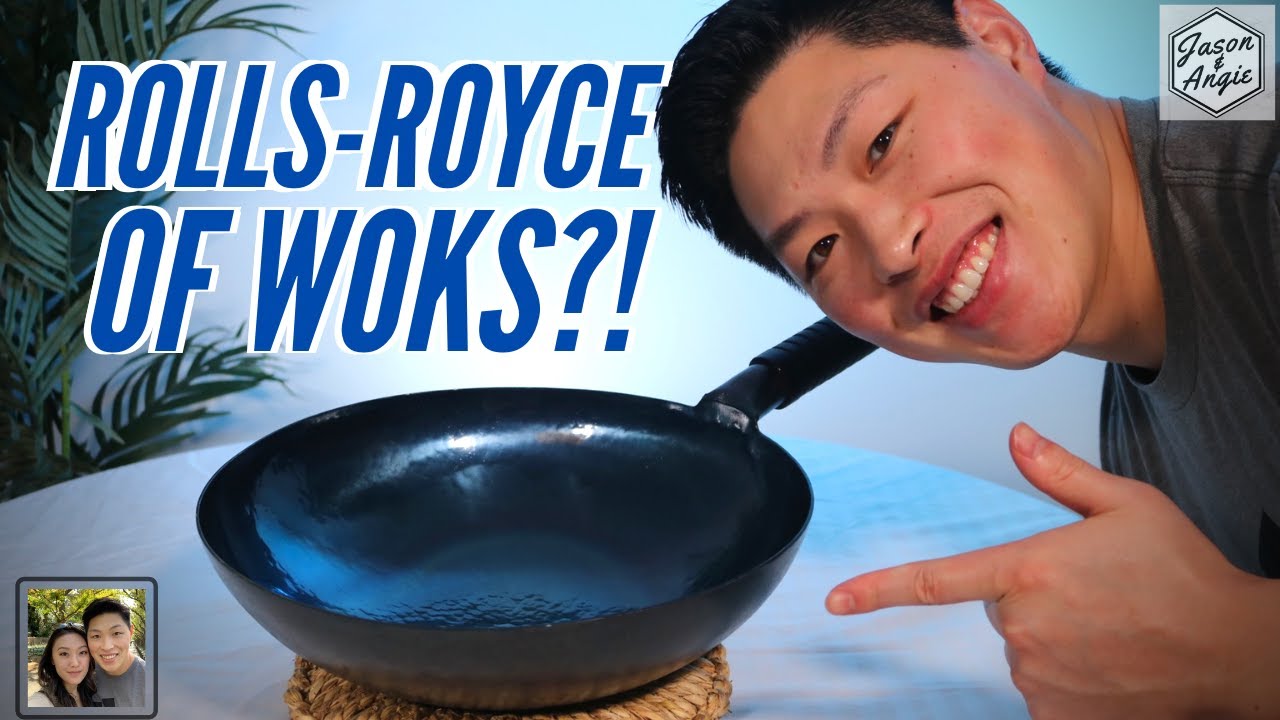
On a patio with a roaring burner, a 16‑inch around bottom becomes a party engine. That wok brings authority. It needs you to move quickly and level components with rigor. There is a thrill to the roar and the flash of vapor. But that equal wok interior may be moody and more likely to unhappiness, proving the element that the top wok is just not only about dimension and form, but additionally approximately context.
Answering the quiet query: what size wok do I want?
People ask the word out loud whilst they may be status in a kitchen store or scrolling past due at night. What length wok do I need? The trustworthy reply narrows once you map your truth. It infrequently lives at the extremes.
If you very own an induction cooktop and prepare dinner for one or two, a 12‑ or thirteen‑inch flat‑backside carbon steel wok, around 1.four millimeters thick, will believe like a tailor-made jacket. It will warm quick, sit solidly, and benefits common use with a deepening patina.
If you could have a gas stove and prepare dinner for 2 to 4, decide on a 14‑inch wok. If you prefer culture and possess a sturdy ring, decide circular bottom. If you choose a low‑protection suit together with your grates, select flat backside. In the two situations, carbon steel is the drapery, and you're able to figure out between a lighter or a little heavier gauge based on burner power.
If you host repeatedly, prepare dinner big noodle and rice dishes, or plan to make use of an out of doors burner, a sixteen‑inch round‑bottom wok is valued at including as a 2d wok. Keep a 14‑inch as your on daily basis driving force. Use the sixteen‑inch in the event you need to serve a crowd with no operating in batches.
Space, garage, and the romance of patina
A wok earns its hold whilst it not ever quite cools among makes use of. To make that take place, shop it in which it calls to you. A 14‑inch wok with a long deal with hangs fantastically on a wall hook, able to swing down for speedy vegetables or an omelet. Cantonese‑kind loop handles slide into slender cupboard areas and nest with steamer baskets. If you live small, the 12‑inch flat bottom doubles as your ordinary pan for sautés, steams, and shallow‑fries. That consolidation justifies the footprint.
Caring for a wok is modest. Heat, a scrub brush, a touch of water, then dry over warmth and wipe with a whisper of oil. Carbon metal rewards repetition. The floor darkens, the odor mellows, and nutrition releases greater surely. Patina affords permission to cook dinner boldly. It may be brutally truthful. If a wok is too immense in your warm, one could see light patches and stubborn sticking wherein the pan on no account will get hot ample. That feedback is a present. It tells you no matter if to downsize or upgrade your burner.
Small facts that increase your choice
A timber or bamboo spatula matches the curvature and spares the seasoning from complicated edges. For flat bottoms, a metal wok spatula with a just a little curved side means that you can scrape the flat when nonetheless riding the edges. A tight‑installing lid, even a trouble-free metallic dome, turns the wok right into a steamer and speeds braises. A rack that sits an inch above the bottom means that you would be able to steam fish in ginger and scallions devoid of submerging it.
Look on the take care of attachment. Rivets are stable and tidy. Welds should be would becould very well be chic, but poorly finished welds snag sponges and fingers. A long timber tackle remains cool and balances the pan. On heavier woks, a helper loop at the alternative facet saves your wrist.
Pre‑professional woks are a combined bag. A manufacturing unit layer can be nice, yet commonly you’ll strip and build your personal. A first seasoning session is twenty to thirty mins of warmth and oil, wiping and staring at color deepen from pale steel to tobacco brown. It is a small ritual that can pay off with years of light unencumber.
Why a wok earns its area beside a skillet
A skillet excels at direct, even touch. A wok provides verticality and pace. It presents you a hot spot and get away routes, a bowl structure that deepens oil devoid of waste, and a level for fit for human consumption smoke. The question is not really regardless of whether you must always very own a wok, yet which one will slip into your recurring so absolutely that you forestall asking the first question and begin asking what else it will do.
If you compress the coaching into whatever thing tidy, it might be this:
- Induction or glass‑upper: flat backside, 12 inches for one, thirteen to 14 inches for 2 to 4, carbon metal. Gas: spherical backside with ring in case you want traditional behavior, differently flat bottom, 14 inches for such a lot individuals, 16 inches handiest with good warm or established wide batches.
Everything else flows from that. The true length maintains steam from your stir‑fry and courage on your wrist. The good shape matches your warmth like a dance spouse. You sense the pan coach you, lightly. You commence to turn the flame up a notch top than you used to, and also you have faith yourself not to crowd. You pay attention the sides crackle while soy hits sizzling metal, see the vegetables gloss then settle down, and you notice the wok you chose enables you to cook the approach you want to eat.
A brief, luxury‑minded guidelines ahead of you buy
- Name your warmth source in truth, then decide on the base to healthy it. Match diameter for your most standard batch dimension, no longer your maximum ambition. Choose carbon metallic, alter thickness in your burner capability, and want steadiness within the hand. If torn between 12 and 14 inches, decide upon 14 unless you cook strictly for one on a weak burner. Invest in a respectable ring for spherical bottoms and a lid that absolutely fits.
There is class in owning the properly software and because of it recurrently. A flawlessly chosen wok does now not announce itself. It without a doubt makes dinner more effective, rapid, and more effective. When individual asks you what measurement wok do I want, it is easy to resolution with the self belief of a prepare dinner who is aware each the feel of the pan and the urge for food it serves. And then you definitely’ll point them towards the flame.